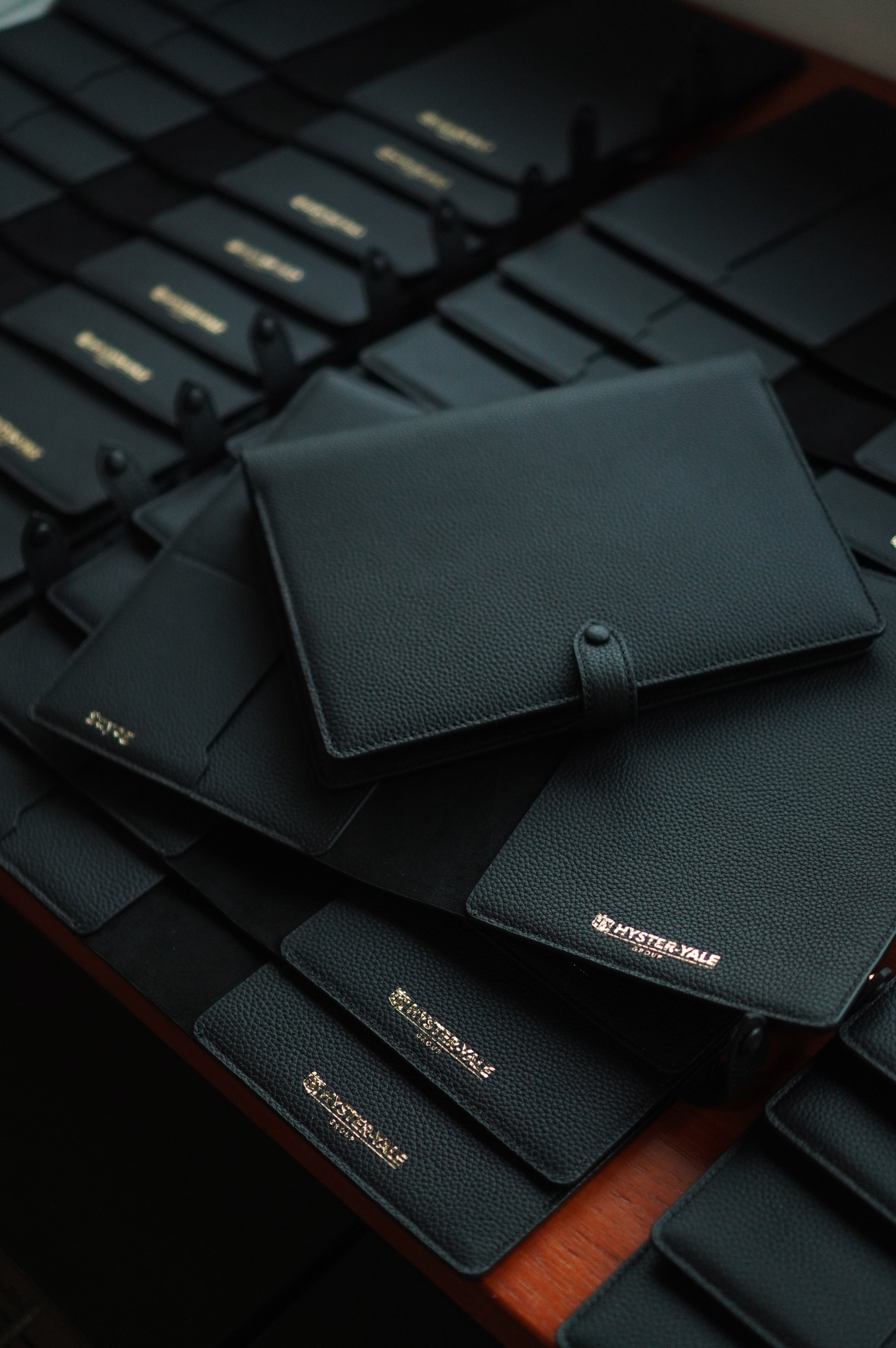
Corporate Gifting for Events: Door Gifts, VIP Gifts and Speaker Gifts Explained

Planning gifts for a corporate event can seem straightforward at first. However, once the guest list is broken down, it becomes clear that different recipients often call for different types of gifts. General attendees may appreciate something practical and easy to carry.
VIP guests expect something more considered. Speakers, panellists, and partners deserve a gift that feels like a sincere thank-you, not a giveaway pulled from the same pile as everyone else's.
For companies planning conferences, client appreciation events, product launches, networking sessions or internal celebrations, corporate gifting works best when every gift fits a clear recipient tier and purpose.
A thoughtful event gifting plan helps you avoid rushed bulk orders, generic giveaways and gifts that do not suit the people receiving them.
This guide explains how to plan door gifts, VIP gifts, speaker gifts and bulk personalised orders for corporate events, with each tier clearly defined.
Key Takeaways
-
A strong corporate gifting plan starts by separating recipients into clear groups. General attendees, VIP guests, speakers and partners each need a different level of thought, budget and presentation.
-
Door gifts should be useful enough to survive beyond the event day. Compact pieces such as card holders, luggage tags, notebooks, pouches and slim organisers work well because guests can carry them easily and use them after the event.
-
VIP gifts should feel more deliberate without becoming excessive. Subtle personalisation, better packaging and refined leather pieces can make the gift feel selected for the recipient rather than pulled from a generic bulk order.
-
Speaker gifts should acknowledge the person’s contribution, not simply act as another giveaway. Adding a name, initials, event title or short message can make a practical gift feel more meaningful.
-
Bulk personalised orders need more lead time than standard gifts. When logos, names, packaging, mock-ups and delivery schedules are involved, planning 6 to 8 weeks helps reduce errors and last-minute compromises.
What Counts as Event Gifting?
Event gifting refers to gifts given to guests, speakers, partners, sponsors, clients, or team members during a company event.
These gifts are usually tied to a specific occasion, such as a conference, seminar, product launch, appreciation dinner, workshop, exhibition or business networking session.
Unlike festive gifts or annual client gifts, event gifts need to work within a specific setting. They should be easy to distribute, suitable for the guest profile, and aligned with the event's tone.
Common types of event gifts include:
-
Door gifts for attendees
-
VIP gifts for selected guests or senior stakeholders
-
Speaker gifts for keynote speakers, trainers or panellists
-
Partner or sponsor gifts
-
Media gifts
-
Internal team appreciation gifts
-
Personalised gifts for private client events
The aim is to avoid treating every recipient group the same. For example, a 300-person seminar may need compact door gifts for attendees, along with a smaller batch of premium personalised gifts for speakers and VIP guests.
Door Gifts: Practical Gifts For Every Attendee

Door gifts are usually given to every guest who attends an event. Since they are prepared in larger quantities, they should be practical, easy to carry and cost-effective, while still feeling considered.
A good door gift should remain useful beyond the event itself. If the item can be carried, stored or used regularly, it gives your brand more staying power after the event ends.
What Makes a Good Door Gift?
The best door gifts usually share a few qualities. They are:
-
Compact enough for guests to carry around the venue
-
Practical for work, travel or everyday use
-
Suitable for a wide range of recipients
-
Easy to customise in bulk
-
Aligned with the event’s tone and audience
-
Durable enough to avoid feeling disposable
For business events, practical pieces such as card holders, luggage tags, notebooks, pouches, small organisers or leather accessories often work well. These items are useful without taking up too much space in a guest’s bag.
If your event involves overseas guests, avoid bulky or fragile gifts. Travel-friendly pieces are usually safer because guests can bring them home easily.
Door Gift Ideas for Corporate Events
Here are some event-friendly door gift ideas to consider:
-
Personalised card holders
-
Leather luggage tags
-
Leather notebooks and journal covers
-
Coasters
-
Desk stationery and organisers
-
Small leather pouches
-
Leather key fobs
-
Compact travel accessories
Door gifts do not need to be extravagant to make an impression. What matters is whether the gift feels relevant to the audience and useful after the event.
VIP Gifts: More Considered Gifts For Important Guests
VIP gifts are usually prepared for a smaller group of recipients. This may include major clients, business partners, board members, sponsors, investors, senior leaders, media guests or high-value prospects, and they form a separate tier from general attendee gifts.
Because these gifts are given selectively, they should feel more considered than general attendee gifts. In other words, a VIP gift need not be excessive, but it should feel deliberate.
When Should You Prepare VIP Gifts Separately?
Separate VIP gifts make sense when your event includes guests who have a closer relationship with your company or who play a more important role in the occasion.
You may want to prepare VIP gifts for:
-
Key clients attending an appreciation event
-
Senior stakeholders at a business launch
-
Sponsors or partners supporting the event
-
Overseas guests visiting for a regional meeting
-
Board members or investors
-
Guests of honour
-
High-value prospects invited to a private session
A separate VIP gift tier helps you show appreciation. It also avoids increasing the cost of gifting for every attendee.
VIP Gift Ideas That Feel Polished
VIP gifts should feel refined, useful, and well-presented. Just as importantly, packaging matters because the recipient’s first impression begins before the gift is opened.
Suitable VIP gift ideas include:
-
Personalised leather folios
-
Premium leather card holders
-
Leather valet trays
-
Passport holders and travel accessories
-
Desk stationery and blotters
-
Curated leather gift sets with custom packaging
-
Menu covers for private dining events
For VIP recipients, subtle branding usually works better than oversized logos. Initials, names, discreet embossing or a personalised message can make the gift feel more intentional.
If the event is relationship-driven, such as a client appreciation dinner or partner gathering, bespoke corporate gifts can help create a more tailored gifting experience.
Speaker Gifts: How To Thank Panellists, Trainers And Keynote Guests

Speakers, trainers and panellists contribute directly to the value of an event. Their gift should feel like a genuine thank-you and sit apart from the door gift and VIP gift tiers.
A good speaker gift is thoughtful, presentable and easy to bring home. This matters especially for guest speakers who travel between events or fly in from another country.
What Should You Give A Guest Speaker?
A speaker gift should reflect appreciation for the person’s time, expertise and contribution. It should also be appropriate to the event's formality.
Good speaker gifts are usually:
-
Personalised
-
Easy to carry
-
Professionally presented
-
Useful after the event
-
Different from the general attendee gift
-
Aligned with the event theme or brand
Where possible, include the speaker’s name, initials, event title or a short message of appreciation. In this way, small details can make the gift feel more personal without complicating the process.
Speaker Gift Ideas For Business Events
Here are some speaker gift ideas that work well for corporate events:
-
Personalised leather folios
-
Name-stamped card holders
-
Leather valet trays
-
Travel accessories
-
Desk organisers
-
Premium notebooks with customised covers
-
Small leather gift sets
-
Personalised pouches or organisers
For conferences, product launches, or client-facing events, live personalisation can also create a more memorable gifting moment. In this way, guests can see their item personalised on-site, making the gift part of the event experience.
How To Choose The Right Gift For Each Recipient Group
A strong event gifting plan starts with the recipient groups. Rather than choosing one item first, map out who will receive gifts and what each group should feel after receiving them.
|
Recipient group |
Best gift approach |
What to prioritise |
What to avoid |
|
General attendees |
Practical door gifts |
Portability, usefulness and broad appeal |
Bulky, fragile or overly generic items |
|
VIP guests |
More personalised premium gifts |
Presentation, quality and exclusivity |
Gifts that feel mass-produced |
|
Speakers |
Thoughtful thank-you gifts |
Personalisation, relevance and easy packing |
Giving the same item as attendees |
|
Sponsors or partners |
Brand-aligned appreciation gifts |
Relationship value and polished packaging |
Low-effort giveaways |
|
Internal teams |
Practical keepsakes |
Everyday use and recognition |
Items with no personal relevance |
This approach helps you allocate budget more intelligently. It also lets you keep general door gifts practical while reserving more personalised pieces for people who need a stronger relationship touchpoint.
Personalisation Options For Event Gifts
Personalisation can make an event gift feel more intentional, especially when the item is simple and practical. The right personalisation method depends on your brand, budget, timeline and recipient group.
Common personalisation options include:
-
Company logo stamping
-
Recipient names
-
Initials
-
Event name
-
Event date
-
Custom message cards
-
Branded sleeves
-
Custom boxes
-
Gift tags
-
Colour selection
-
Material selection
-
On-site personalisation
For larger attendee groups, a company logo or event name is usually enough. For VIPs and speakers, adding names or initials makes the gift feel more personal.
The level of branding also matters. On items recipients might use in public, subtle branding usually wins because the gift stays easy to carry and use after the event. Anything that looks too promotional often gets kept in a drawer.
To see how different items can be customised for real companies and events, browse our past corporate gift projects.
Bulk Personalised Orders: What To Confirm Before Production
Bulk personalised orders need more planning than off-the-shelf gifts. Once names, logos, packaging, and delivery timelines are involved, small mistakes at the artwork stage can affect the final delivered result.
Before confirming production, prepare the following:
-
Final event date
-
Delivery deadline
-
Event venue or delivery address
-
Quantity required
-
Buffer quantity
-
Recipient groups
-
Budget per gift tier
-
Logo files in the correct format
-
Name or initials list, if required
-
Preferred personalisation method
-
Packaging requirements
-
Approval contact
-
Mock-up or sample approval timeline
It is also useful to separate your order by recipient group and tier. For example, you may need 250 door gifts, 20 VIP gifts and 8 speaker gifts. Keeping these categories clear reduces confusion when packing, labelling and distributing the gifts.
Event Gifting Timeline: When To Start Planning
Personalised event gifts should be planned early, especially if you need bulk production, custom packaging or individual names.
A good planning timeline looks like this:
|
Timeline |
What to do |
|
|
6 to 8 weeks before event |
Confirm guest groups, budget tiers and gift direction |
|
|
5 to 6 weeks before event |
Shortlist products, confirm customisation method and packaging
|
|
|
4 to 5 weeks before event |
||
|
2 weeks before event |
Production checks, confirm name personalisation and delivery arrangements |
|
|
Event week |
Prepare gift distribution, VIP sets and spare pieces |
The actual timeline depends on order size, stock availability, level of customisation and packaging needs. If your event involves multiple recipient groups, start earlier so you have time to review mock-ups and make adjustments.
Common Mistakes To Avoid When Planning Event Gifts
Event gifts can feel underwhelming when they are planned too late or chosen without a clear recipient strategy. Avoid these common mistakes.
Ordering The Same Gift For Every Recipient
Using the same gift for attendees, VIPs and speakers may be simpler, but it can make important guests feel overlooked. A tiered approach usually works better for larger or higher-value events.
Choosing Gifts That Are Difficult To Carry
Guests may need to move between sessions, networking areas and transport. Oversized, heavy or fragile gifts can become inconvenient, especially at conferences and seminars.
Leaving Personalisation Too Late
Names, initials, logos, and packaging require time for review and approval. Rushing this stage increases the risk of errors.
Over-Branding The Gift
A useful item can lose appeal if the logo is too large or the branding is too loud. Subtle branding often makes the gift more usable after the event.
Forgetting Speaker And VIP Packaging
Presentation matters for selected recipients. Even a simple gift can feel more premium with the right box, sleeve, note or tag.
Ordering Exact Quantities With No Buffer
Always prepare spare pieces where possible. Last-minute guest changes, damaged packaging or additional attendees can happen.
How Rever Can Help With Personalised Event Gifts
We help companies plan personalised leather gifts across all three tiers of an event: door gifts for attendees, VIP gifts for key guests, and speaker gifts for panellists and honoured contributors.
Depending on the event, our support covers:
-
Gift selection for different recipient groups
-
Logo customisation
-
Name or initials personalisation
-
Bulk order planning
-
Packaging guidance
-
Gift tiering for attendees, VIPs and speakers
-
On-site personalisation for selected events
Whether you are planning a conference, appreciation dinner, product launch, workshop or private client event, the right gift can make the occasion feel more considered.
Explore our corporate gifting events service to plan personalised event gifts that suit your audience, timeline and brand.
Final Thoughts
Corporate gifting for events should feel organised, purposeful and appropriate to the people receiving each gift.
A large conference may only need simple, practical door gifts for most attendees, while a smaller group of VIP guests, speakers and partners may deserve something more personal, polished and carefully presented.
This is where a tiered gifting plan makes a real difference.
Instead of stretching one gift across every recipient group, companies can keep door gifts useful and cost-effective, reserve more refined pieces for key relationships, and give speakers a proper thank-you that recognises their role in the event.
For personalised leather door gifts, VIP gifts, speaker gifts, or a combination across all three tiers, our team can help you plan pieces that match your guest list, timeline, and brand presentation.
Request a corporate gifting quote and mock-up with your event details, and we will get back to you with a tailored proposal.
Frequently Asked Questions
What Is The Difference Between Door Gifts And VIP Gifts?
Door gifts are usually prepared for all event attendees, while VIP gifts are reserved for selected guests such as clients, partners, sponsors or senior leaders. VIP gifts are usually more personalised, better packaged and produced in smaller quantities.
What Are Good Speaker Gifts For A Corporate Event?
Good speaker gifts are thoughtful, portable and relevant to the occasion. Personalised leather accessories, folios, card holders, valet trays or travel-friendly keepsakes can work well because they feel considered and easy to bring home.
How Early Should Companies Order Personalised Event Gifts?
Companies should ideally start planning personalised event gifts 6 to 8 weeks before the event. This allows enough time for product selection, artwork approval, customisation, packaging and delivery coordination.
Should Every Event Guest Receive The Same Gift?
Not always. Large events often work better with different gift tiers for attendees, VIP guests, speakers and sponsors. This helps companies keep general gifts practical while giving more considered pieces to selected recipients.